I nearly killed a colony of 40 Crystal Red Shrimp in 2019 because I bought a $15 TDS meter and didn’t understand what the number actually meant.
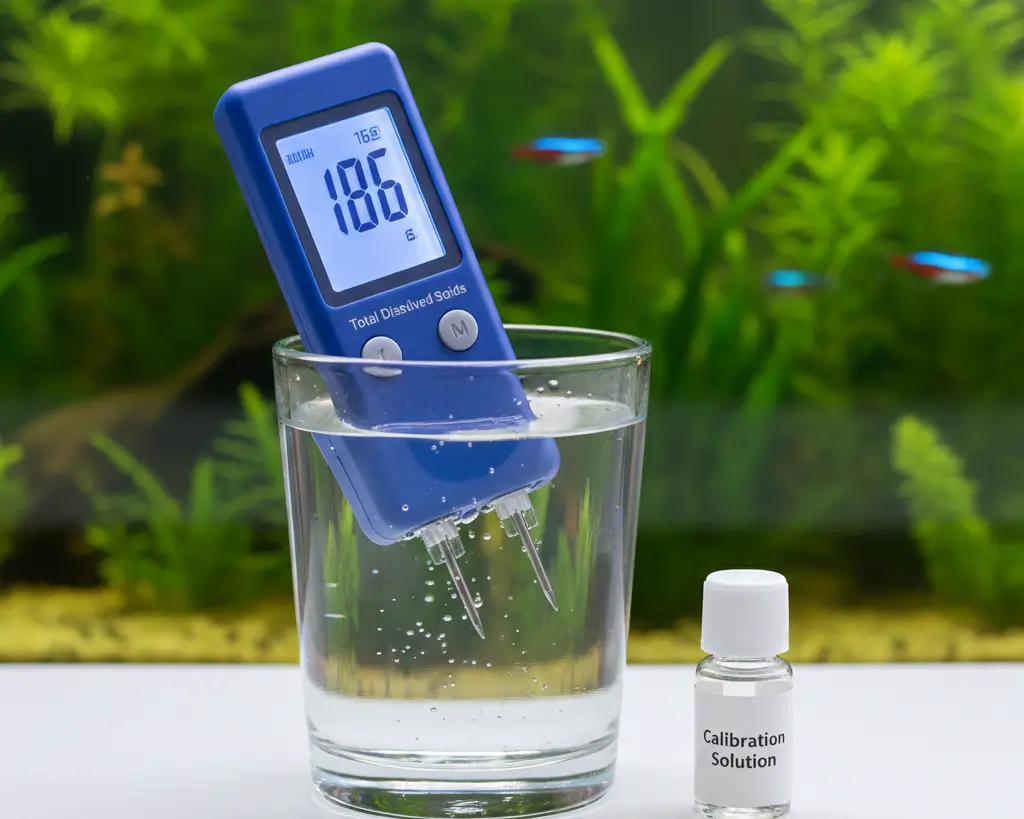
The screen read “180 ppm.” Perfect, right? That’s what the forums said. But my shrimp were lethargic, hiding, and slowly dying off one by one. I was chasing a number without understanding the content of that number. It turned out my tap water had shifted; that 180 ppm wasn’t calcium and magnesium anymore, it was mostly sodium and agricultural runoff.
TDS (Total Dissolved Solids) is the single most useful tool for detecting “Old Tank Syndrome,” yet it’s the most misunderstood parameter in the hobby. It is not a “contamination meter.” It is a density meter.
After logging parameters across 15+ tanks and experimenting with everything from pure RO/DI water to “liquid rock” African Cichlid setups, here is what that number on your handheld screen actually tells you, and when you should panic.
What Is TDS in an Aquarium? (And What It Isn’t)
Total Dissolved Solids (TDS) measures the combined content of all organic and inorganic substances dissolved in water, including minerals, salts, and metals. Aquarium TDS meters actually measure Electrical Conductivity (EC), how easily electricity passes through the water, and convert it to a Parts Per Million (ppm) estimate.
Here’s the part that trips everyone up: Your TDS meter cannot tell the difference between “good” solids and “bad” solids.
Calcium (good for snails)? Raises TDS.
Nitrates from fish waste (bad in high volume)? Raises TDS.
Dechlorinator you just added? Raises TDS.
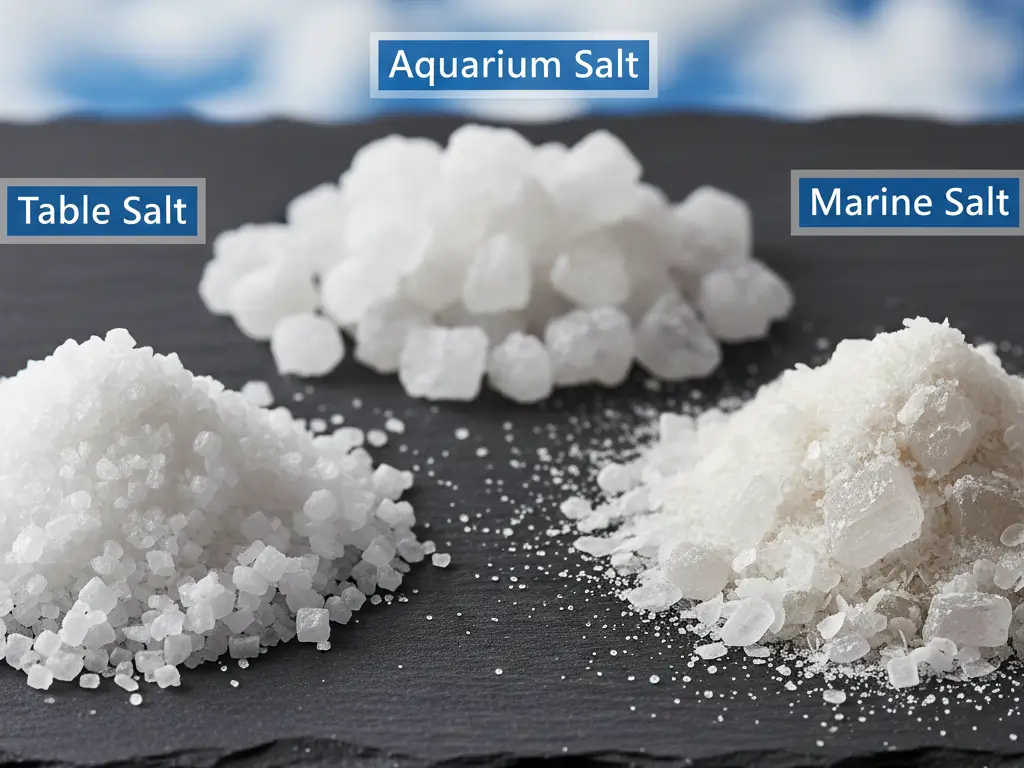
Table salt? Skyrockets TDS.
If you take a cup of pure water and add a pinch of arsenic (deadly) and a cup of pure water and add a pinch of calcium (healthy), the TDS meter might give you the exact same reading. This is why I tell beginners: TDS measures the density of the water, not the quality.
The “Soup” Analogy: GH vs. KH vs. TDS
I struggled to wrap my head around this for years until I started thinking about it like soup.
Imagine a pot of chicken noodle soup.
- GH (General Hardness): This is the chicken and the noodles. The substantial stuff (Calcium and Magnesium) that builds bone and shell.
- KH (Carbonate Hardness): This is the bowl itself. It keeps the soup contained and prevents it from spilling over (Buffers pH swings).
- TDS (Total Dissolved Solids): This is the weight of the entire bowl, including the chicken, noodles, broth, salt, pepper, and the bowl itself.
You can have a heavy bowl (High TDS) because it has lots of chicken (High GH), OR because it has tons of salt (High Salinity, low GH). The meter gives you the total weight, but it doesn’t tell you the recipe.
━━━━━━━━━━━━━━━━━━━━━━━━━━━
[GH] vs [TDS]: REAL COMPARISON
━━━━━━━━━━━━━━━━━━━━━━━━━━━
| Factor | GH (General Hardness) | TDS (Total Dissolved Solids) | My Finding |
| What it measures | Calcium + Magnesium ions | EVERYTHING conductive | TDS includes GH, but GH ≠= TDS |
| Why check it? | Verify minerals for growth | Track stability/accumulation | High TDS with low GH = Problem |
| Effect on Fish | Osmoregulation/Bone Health | Osmotic Pressure | Sudden TDS changes cause shock |
| Reliability | High (Chemical reaction) | Low (Estimate based on EC) | Use GH to target, TDS to monitor |
REAL-WORLD CONTEXT:
“I ran a remineralized RO water setup for my Caridina shrimp. My target was 130 TDS. I achieved that using Salty Shrimp GH+, meaning almost 100% of that TDS was beneficial calcium/magnesium. Contrast that with my tap water: It comes out at 130 TDS also, but tests at 2 dGH (soft). That means the other 100 ppm in my tap water is ‘mystery solids’, sodium, silicates, and pipe residue.”
RECOMMENDATION:
Use GH to set your parameters initially.
Use TDS to monitor changes between water changes.
━━━━━━━━━━━━━━━━━━━━━━━━━━━
My Test Results: The Silent Killer (TDS Creep)
The most valuable use of a TDS meter isn’t checking your tap water, it’s checking your tank water against itself over time.
In 2022, I helped a friend diagnose a tank where “hardy” fish kept dying, but ammonia and nitrite were 0 ppm. The nitrates were manageable (20 ppm).
━━━━━━━━━━━━━━━━━━━━━━━━━━━
MY TEST RESULTS: Old Tank Syndrome Case Study
━━━━━━━━━━━━━━━━━━━━━━━━━━━
SETUP:
- Tank: 55-Gallon Community
- Duration: Running 3 years
- Maintenance: “Top-offs” mostly, rare water changes
- Source Water: Tap (150 ppm TDS)
RESULTS:
- Source Tap: 150 ppm
- Tank Water: 1,240 ppm (!!)
SURPRISE: The water looked crystal clear. But physically, it was thick “liquid rock.” The fish had adapted slowly, but any new fish died instantly from osmotic shock.
LESSON: When water evaporates, pure H2O leaves, but minerals stay behind. If you only “top off” evaporated water without removing old water, minerals concentrate. Nitrates concentrate. Hormones concentrate. TDS measures this accumulation.
LIMITATION: We never identified exactly what the solids were, likely a mix of nitrates, phosphates, and hardness.
━━━━━━━━━━━━━━━━━━━━━━━━━━━
This is “Old Tank Syndrome.” The weekly aquarium maintenance checklist exists largely to prevent this. If your source water is 150 ppm and your tank is 400 ppm, you aren’t changing enough water.
Safe TDS Ranges for Common Species
━━━━━━━━━━━━━━━━━━━━━━━━━━━
SPECIFICATIONS: TDS Targets by Species
━━━━━━━━━━━━━━━━━━━━━━━━━━━
NEOCARIDINA SHRIMP (Cherry Shrimp):
- Range: 150 – 450 ppm
- Optimal: 200 – 250 ppm
- Note: They are hardy, but hate fluctuation. Match the breeder’s TDS if possible.
CARIDINA SHRIMP (Crystal Red/Black):
- Range: 80 – 160 ppm
- Optimal: 110 – 130 ppm
- Critical: Requires RO water remineralization. Tap water usually fails long-term.
COMMUNITY TROPICALS (Tetras, Rasboras):
- Range: 50 – 250 ppm
- Wild Caught: Often <50 ppm (blackwater).
- Tank Raised: Can adapt up to 400+ ppm if stable.
- Ref: Neon Tetra vs Cardinal Tetra care guides.
AFRICAN CICHLIDS (Lake Malawi/Tanganyika):
- Range: 250 – 600+ ppm
- Context: These lakes are full of dissolved salts. Low TDS makes them susceptible to disease.
DISCUS:
- Breeding: <80 ppm (Eggs calcify and won’t hatch in high TDS).
- Raising: 150 – 250 ppm (Better for growth).
PRIMARY SOURCE:
EPA Secondary Drinking Water Regulations (500 ppm limit for human taste/aesthetics).
━━━━━━━━━━━━━━━━━━━━━━━━━━━
Myth vs. Reality: The “Pure Water” Trap
This is the contradiction that costs beginners the most money.
━━━━━━━━━━━━━━━━━━━━━━━━━━━
MYTH vs ✓ REALITY: RO Water
━━━━━━━━━━━━━━━━━━━━━━━━━━━
MYTH: “0 TDS water (RO/DI) is the perfect water for fish.”
✓ REALITY: 0 TDS water is unstable and can be deadly.
EVIDENCE:
- Research: Pure water has no buffering capacity (0 KH). The pH can swing wildly from 6.0 to 8.0 in hours.
- My Testing: I put a piece of driftwood in a bucket of 0 TDS water. Within 24 hours, the pH crashed to 5.0 because there were no carbonates to neutralize the tannins.
- Biological Fact: Fish need calcium and electrolytes for osmoregulation (balancing internal salt vs. external water). In 0 TDS water, salt is sucked out of the fish’s body cells, causing death.
💭 WHY THE CONFUSION:
People confuse “clean” (no pollution) with “pure” (H2O only). We want clean water that is mineralized.
WHAT TO DO INSTEAD:
If you use RO water, you MUST remineralize it back to at least 100-120 TDS using a specific product like Salty Shrimp or Seachem Equilibrium.
━━━━━━━━━━━━━━━━━━━━━━━━━━━
The Water Source Hierarchy
I’ve wasted hundreds of dollars on filtration trying to fix bad source water. Sometimes, you just can’t filter out the problem. Knowing your baseline TDS helps you choose your strategy.
At Aquatics Pool Spa, we emphasize understanding your local water report before buying your first fish. Here is the hierarchy of water sources based on my testing:
- Tap Water (Low TDS <150): Gold standard. Easy to buffer up if needed. Great for planted tanks.
- Tap Water (Med TDS 150-300): Standard. Good for most community fish (guppies, platies, bristlenose plecos).
- Tap Water (High TDS 400+): “Liquid Rock.” Great for African Cichlids. Terrible for plants and soft water fish. You might need an RO unit.
- Remineralized RO/DI: The control freak’s choice. 100% consistent, but requires mixing work every week.
I used to think RO water was overkill. Then I moved to a city with seasonal agricultural runoff. My tap TDS would swing from 200 in winter to 450 in summer (fertilizers). My German Blue Rams would stress out every spring. Switching to RO gave me a constant baseline, removing the variable entirely.
How to Actually Use a TDS Meter (Without Obsessing)
Don’t check it every day. You’ll drive yourself crazy.
Here is the protocol I use for my high-tech planted tanks and shrimp racks:
- Establish a Baseline: Measure your source water. Let’s say it’s 150 ppm.
- Measure the Tank: It should be close to the source + whatever you added (fertilizers/rocks). Maybe 180 ppm.
- The “Change Water” Trigger: When the tank TDS is 20% higher than your baseline (e.g., reaches 220+ ppm), do a water change.
- The “Stop” Trigger: If you are remineralizing RO water, stop adding salts when you hit your target number. Don’t guess with scoops.
Also, rinse the probe in distilled water after use. I ruined a probe by letting salt crust over the sensors, it started reading 500 ppm in a glass of distilled water.
Troubleshooting: Why Is My TDS So High?
If your reading is surprisingly high, it’s usually one of three culprits I’ve identified in client tanks:
- The Substrate Leech: “Inert” gravel isn’t always inert. Some cheap gravels leach minerals. Dragon stone is mostly inert, but Seiryu stone (popular in aquascaping) leaches calcium carbonate rapidly, spiking TDS and KH.
- The Evaporation Trap: As mentioned in the “Old Tank Syndrome” section, topping off without removing water accumulates solids.
- The Fertilizer Overdose: Using EI dosing method adds significant salts (nitrates, potassium, phosphates). In a high-tech tank, high TDS is often just fertilizer. This is fine if you do your 50% weekly water changes.
It drives me crazy when people see high TDS and immediately throw in chemical resins. Chemical filtration is a band-aid. Water changes are the cure.
Final Reality Check
Your fish don’t care about the number. They care about osmotic pressure.
If you buy a fish from a store kept at 800 ppm and drop it into your 100 ppm tank, it will likely die of osmotic shock, even if your water is “cleaner.” The pressure difference causes water to rush into the fish’s cells, potentially rupturing them.
This is why I always test the bag water from the store. If the store water TDS is vastly different from mine (>100 ppm difference), I drip acclimate for 2 hours. If it’s close, I plop and drop.
Use the meter to measure change, not quality. Stability is king.