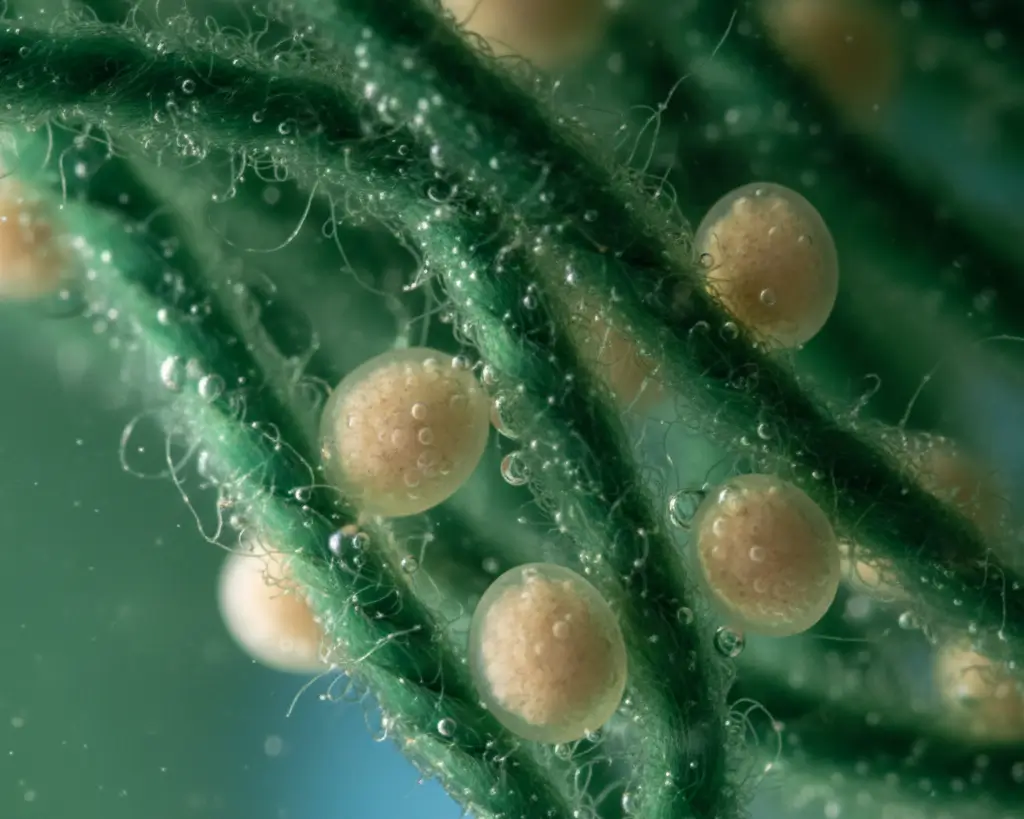
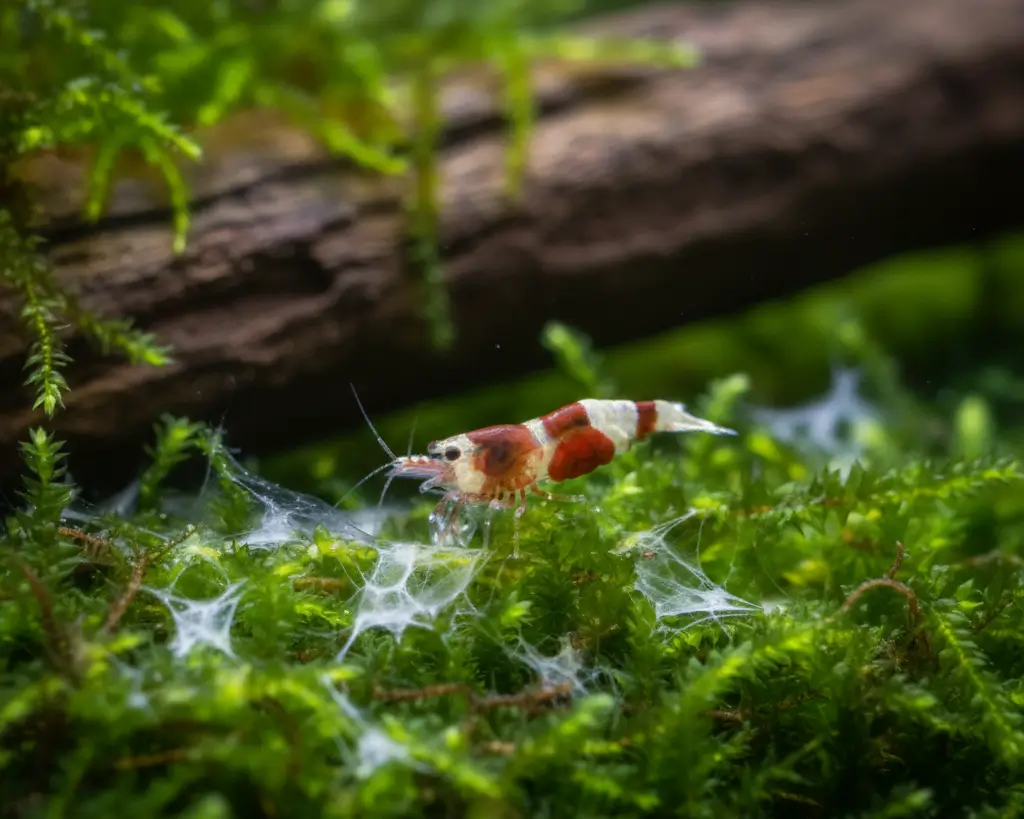
You never forget the panic of your first successful spawn.
For me, it was a pair of Bettas in 2016. I had the tank ready, the parents conditioned, and the eggs hatched. Then I realized the fry were too small for baby brine shrimp, and my “infusoria culture”, a jar of lettuce I’d set on the windowsill, smelled like a dead animal and tested off the charts for ammonia. I lost 90% of that spawn because I followed the “old school” advice without understanding the biology.
Infusoria isn’t just “dirty water.” It’s a complex ecosystem of microscopic organisms (protozoa) that tiny fry need to survive their first week. If you get this wrong, you starve them. If you do it the way most generic guides suggest, you poison them.
Here is the science-backed, battle-tested method I use now to keep cultures clean, odorless(ish), and teeming with life.
What Is Infusoria, Actually?
In the aquarium hobby, infusoria is a collective term for microscopic aquatic organisms, primarily protozoa like Paramecium, Euglena, and Stentor, along with unicellular algae and small invertebrates, used as first foods for fish fry. Unlike “green water” (phytoplankton/algae), true infusoria cultures appear as a cloudy white or grey haze of moving zooplankton.
The “Green Water” Confusion
I see this mistake constantly on forums. People put a jar in the sun, it turns bright green, and they think they have infusoria.
You don’t. You have algae (phytoplankton).
While some fry (like Goldfish or Flagfish) eat algae, carnivorous fry like Bettas, Gouramis, and many Tetras will starve in green water. They need movement to trigger their feeding instinct. They need zooplankton.
- Green Water: Photosynthetic algae. Needs light. Good for Daphnia or specific fry.
- Infusoria: Microscopic animals. Needs bacteria to eat. Good for almost all micro-fry.
My “Swamp Jar” Failure vs. The Yeast Method
When I first tried the “lettuce method”, boiling lettuce and letting it rot, it was a disaster. The bacterial bloom was uncontrollable. The water turned hypoxic (low oxygen), and when I added it to my fry tank, the ammonia spiked within hours.
The Solution? Yeast.
I switched to using active dry yeast to feed the bacteria, which in turn feeds the infusoria. It’s cleaner, faster, and surprisingly predictable.
SETUP:
- Container: Two 1-Quart Mason Jars
- Starter: Aquarium water from established sponge filter squeeze
- Temperature: 76°F
RESULTS:
- Lettuce Jar: Took 6 days to bloom. Smelled like sewage. Ammonia > 4.0ppm.
- Yeast Jar: Bloomed in 48 hours. Smelled like sourdough. Ammonia < 0.25ppm.
Decomposition is hard to control. Yeast feeding is precise.
Yeast cultures crash faster if you overfeed.
The 3-Jar Rotation System (Step-by-Step)
You cannot rely on a single jar. Infusoria cultures go through a “boom and bust” cycle. If you only have one jar, it will crash right when your fry are hungriest. I use a staggered 3-jar system.
Equipment You Need
- 3 Jars (Quart size or larger)
- Dechlorinated water (Old tank water is best)
- Active Dry Yeast OR Liquifry No. 1 OR Boiled Potato
- Starter Culture: Squeeze a mature sponge filter or buy a pure Paramecium culture online (recommended).
- Turkey Baster / Pipette
Step 1: The Setup (Day 1)
Fill Jar A with tank water. If you have live plants like Java Moss or Christmas Moss, snag a small piece and toss it in. These mosses are magnets for microorganisms.
Add your food source. If using yeast, dissolve a pinch (size of a rice grain) in water and stir it in. The water should be slightly cloudy, not milky.
Step 2: The Bloom (Days 2-3)
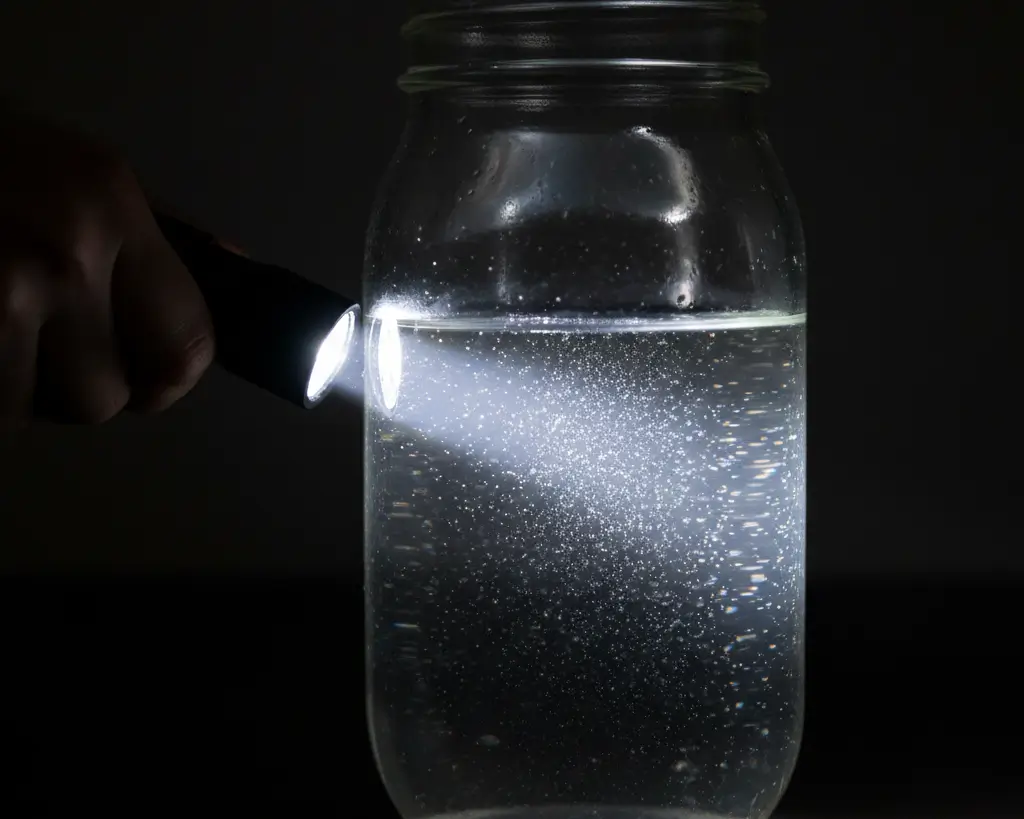
Keep the jar out of direct sunlight (we don’t want algae). Room temperature (72-78°F) is perfect. By day 3, the water should look hazy. If you shine a flashlight through the jar in a dark room, you will see thousands of tiny white specs dancing.
That is the money shot.
Step 3: The Rotation (Day 4)
Start Jar B exactly as you did Jar A.
Harvest from Jar A for your fry.
Step 4: The Safety Net (Day 7)
Start Jar C.
Jar A is likely crashing or smelling bad now. Dump it, clean it, and restart it as the new tail of the rotation.
Feeding Your Fry: The “Belly Check”
How do you know if they are eating things you can barely see?
You have to look at the fry, not the food. Using a magnifying glass or macro lens, look at the fry’s stomach area.
- Empty: Silver/Transparent.
- Full: White/Creamy and rounded.
If the bellies are silver, they are starving. Increase feeding frequency to 4-5 times a day.
Note on Water Quality: Even clean infusoria culture has waste. When raising sensitive species like German Blue Rams or Neon Tetras, I perform small water changes (10-15%) daily using an airline tubing siphon to avoid sucking up the fry.
MYTH vs REALITY: Infusoria Care
MYTH: “Clear water means the culture is dead.”
REALITY: A super-heavy bloom looks cloudy, but a moderate culture might look clear to the naked eye.
Always use the “Flashlight Test.” In a dark room, shine a beam through the jar. If it sparkles with movement, it’s alive.
MYTH: “You need sunlight.”
REALITY: Sunlight promotes algae (green water), which can outcompete infusoria.
My best Paramecium cultures live in a dark cabinet under my aquarium stand.
MYTH: “Add snails to the culture jar.”
REALITY: This one is actually TRUE (mostly).
Adding a Mystery Snail or a few pest snails helps break down larger organic matter and their waste produces bacteria that infusoria eat. It stabilizes the cycle.
Advanced Technique: The Light-Siphon Harvest
One problem with infusoria is that the water in the culture jar is often low in oxygen and high in ammonia. Dumping that directly into a 5-gallon fry tank is risky.
I use the phototactic response (attraction to light) to clean the culture.
- Take your culture jar and cover the bottom 80% with aluminum foil or a dark sock.
- Shine a strong LED light at the very top of the water.
- Wait 15 minutes.
- The infusoria will gather in a dense cloud near the light and oxygen at the surface.
- Use a turkey baster to siphon only that dense cloud.
This minimizes the amount of “dirty” water you transfer. This technique is crucial when I’m breeding sensitive nano-species like Corydoras Pygmaeus, where water quality is non-negotiable.
Comparison: Choosing Your Food Source
Not all culture starters are equal. I’ve tried them all, here is the breakdown.
| Source | Setup Speed | Smell Factor | Reliability | My Verdict |
| Lettuce/Spinach | Slow (5-7 days) | High (Sewage) | Low (Prone to rot) | Avoid. Too risky. |
| Active Dry Yeast | Fast (2-3 days) | Low (Bready) | High | Best for Beginners. |
| Liquifry No. 1 | Instant start | Medium | Moderate | Good backup, expensive. |
| Boiled Potato | Med (3-4 days) | Medium | High | Great for sustained yield. |
| Rice Water | Fast (2-3 days) | High | Moderate | Works, but messy. |
“I ran potato cultures for my Betta Splendens spawn in 2022. They lasted longer than yeast cultures (5-6 days before crashing) but were harder to restart quickly. I now use yeast for the initial bloom and potato for the ‘maintenance’ jars.”
Transitioning to Larger Foods
Infusoria is only a bridge. It keeps the fry alive until they are big enough to eat Baby Brine Shrimp (BBS) or microworms.
Usually, this timeline is short:
- Week 0-1: Infusoria / Vinegar Eels
- Week 1-3: Baby Brine Shrimp
- Week 3+: Crushed flakes / Micro pellets
Don’t keep them on infusoria too long. The nutritional density isn’t high enough for rapid growth. Once their mouths are big enough, switch. I usually test this by offering a small amount of live BBS. If you see orange bellies, they’ve graduated.
Troubleshooting: Why Is My Culture Dead?
It happens to everyone. You go to harvest, and the water is crystal clear and motionless, or it smells like sulfur.
- The Smell Test: Ideally, it smells earthy or yeasty. If it smells sharp or rotten, the bacteria grew too fast and used up all the oxygen, suffocating the infusoria. Fix: Use less food (yeast/lettuce) next time.
- The Predator: Did you use tank water? You might have introduced Cyclops or other copepods. These are larger and will eat your infusoria. Fix: Use boiled (then cooled) water for the next batch to sterilize it, then re-seed with a pure culture.
- Temperature: Below 70°F, reproduction slows to a crawl. Above 85°F, bacteria take over. Keep it stable.
Final Thoughts
Culturing infusoria feels like a science experiment, and honestly, it kind of is. But seeing a cloud of hundreds of Celestial Pearl Danios (or whatever you are breeding) survive that critical first week makes the jar juggling worth it.
Just remember: Smell it before you pour it. Your nose knows.
If you are looking to dive deeper into aquatic setups, whether it’s setting up the perfect low-tech planted tank for your future fry or understanding the API Master Test Kit to keep them safe, Aquatics Pool Spa has the resources to help you build a thriving ecosystem.