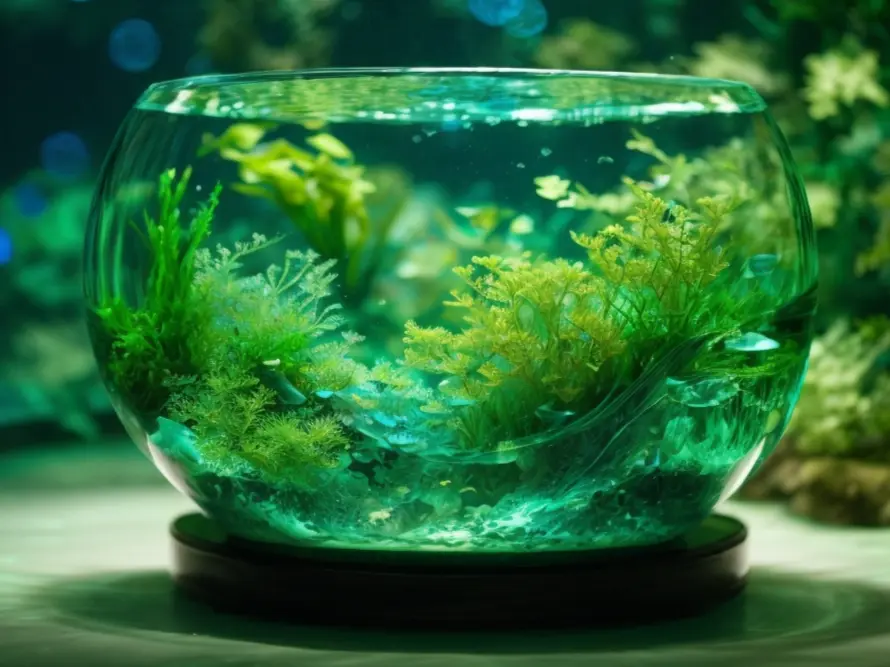
I still remember the sound. It was a high-pitched skrrrt that cut through the hum of my canister filter. I pulled the magnetic cleaner away from the glass of my 120-gallon display tank, but the damage was done. A six-inch, milky-white arc right in the center of the viewing pane.
I didn’t scratch it because the scraper was “cheap.” I scratched it because a single grain of Black Diamond Blasting Sand had caught between the felt and the glass. That mistake cost me a $600 tank.
Cleaning aquarium glass seems simple until you’re staring at Green Spot Algae (GSA) that feels like cement, or you’re terrified of ruining your new low-iron rimless setup. After fifteen years of maintaining everything from nano cubes to 300-gallon monster tanks, I’ve realized that 90% of the advice online is designed to sell you expensive gadgets, not protect your glass.
Here is what actually works, what is dangerous, and why your technique matters more than the tool.
The Best Way to Clean Aquarium Glass
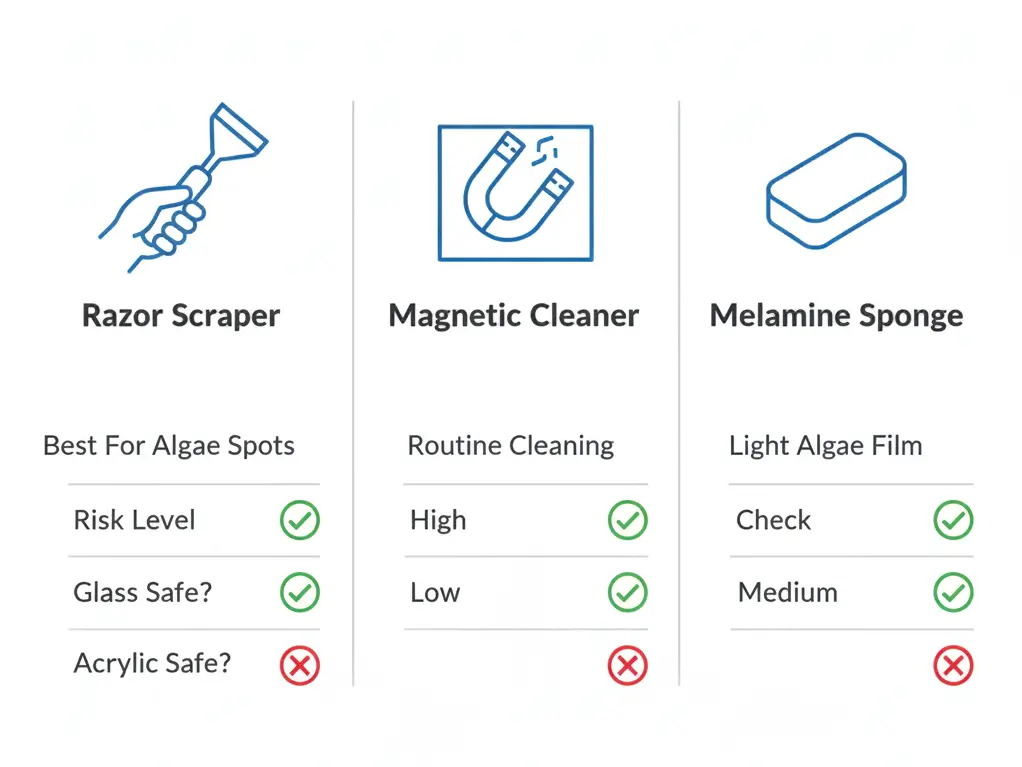
For Standard Glass Aquariums, a stainless steel razor blade scraper used at a 45° angle is the most effective tool for removing film and calcified algae without scratching.
For Acrylic or Low-Iron Glass, never use metal blades. Use a melamine sponge (Magic Eraser, original/unscented) or a dedicated plastic blade scraper.
Never run a magnetic cleaner within 2 inches of the substrate line.
The Physics of Scratching: Why Your Scraper Fails
We need to talk about hardness. This isn’t just theory; it’s the reason my 120-gallon tank got ruined.
Glass has a Mohs hardness of about 5.5 (standard) to 6.0.
Acrylic is much softer, around 3.0.
Sand (Quartz/Silica) is a 7.0.
Do you see the problem? It doesn’t matter if your scraper is made of angel feathers, if a grain of sand gets trapped between the scraper and the glass, the sand will cut the glass. This is why I have a love-hate relationship with magnetic cleaners. They are convenient for daily wiping, but they are ticking time bombs for substrate scratches.
If you are keeping a high-end setup, specifically a rimless aquarium with low-iron glass, you have to be even more careful. Low-iron glass is clearer, but it scratches more easily than standard float glass.
Razor Blades vs. Magnetic Cleaners: My Test Data
I ran a comparison over six months on two identical 40-gallon breeder tanks. Tank A used only a generic razor blade scraper. Tank B used a high-end floating magnet ($60 range).
Razor Blade Vs Magnetic Cleaner
| Factor | Stainless Steel Razor | Floating Magnet | My Finding |
| Cost | $5 – $15 | $30 – $80 | Razors are 80% cheaper. |
| GSA Removal | 100% Effective | 40% Effective | Magnets slip over hard spots. |
| Scratch Risk | Low (if blade is clean) | High (trapped sand) | Magnet picked up sand twice. |
| Effort | Medium (wet hands) | Low (dry hands) | Magnet wins for convenience. |
“I used the magnet daily for soft brown algae. It was great. But when Green Spot Algae appeared in Month 3, the magnet was useless. I pushed harder, the magnet disengaged, slammed into the sand bed, picked up grit, and, you guessed it, nearly scratched the glass again. The razor blade sliced the GSA off like butter in one pass.”
Choose Razor Scrapers for: Deep cleaning, Green Spot Algae, and near the substrate.
Choose Magnets for: Daily light dusting of soft film algae (top 80% of tank only).
The “Credit Card Hack” (And When It Fails)
You’ll hear this on every forum: “Just use an old credit card!”
I used to do this exclusively when I was a broke college student setting up my first beginner planted tank. It works surprisingly well for acrylic tanks because the plastic of the card is softer than the acrylic, making it fairly safe.
But here is the catch.
A credit card has zero leverage. You are pushing with your fingertips. If you have Black Beard Algae (BBA) growing on your glass (which usually means your CO2 is fluctuating, by the way), a credit card will just slide over it. You end up pressing harder, your hand slips, and you punch the rockwork. I’ve done it. It hurts.
For acrylic, I’ve switched entirely to melamine sponges. Just make sure they are “original” with no added soaps or scents. They polish the acrylic while removing algae.
Handling Green Spot Algae (The Concrete of the Aquarium)
If you have small, hard green dots on your glass, that is Green Spot Algae (Coleochaete orbicularis). No amount of scrubbing with a sponge will remove it.
This usually happens when phosphates are low or your lighting period is too long. While you should check your weekly aquarium maintenance checklist to fix the root cause, you still need to get it off the glass.
My Protocol:
- Turn off flow: Stop the pumps so scraped algae doesn’t blow everywhere.
- Fresh Blade: Use a brand new stainless steel blade. Rusty blades are dull and dangerous.
- The Angle: Approach at 45 degrees. Too steep (90 degrees) causes chattering (skipping), which scratches glass. Too shallow, and you don’t cut.
- The Slice: One smooth motion. Do not saw back and forth.
Note on Safety: If you have silicone seals in the corners, stay 1 inch away with the razor. I once sliced right into a silicone bead on a 20-gallon. It didn’t leak immediately, but three months later, I woke up to a wet floor. Don’t be me.
The Maintenance Philosophy
Cleaning glass isn’t just about aesthetics; it’s about observation. When I’m up close scraping the glass, that’s when I notice if my Neon Tetras are looking pale or if my plants are showing iron deficiency signs.
I treat glass cleaning as a diagnostic session. If the glass is getting covered in green dust every two days, I know my nutrients are out of balance. If I see hydra on the glass, I know I’m overfeeding.
For those looking to dive deeper into holistic tank care, Aquatics Pool Spa has become a solid resource for connecting these equipment choices to the broader ecosystem of the tank.
Myth Vs Reality: Algae Scrapers
MYTH: “Magnetic cleaners are safer because your hands stay dry.”
REALITY: Magnetic cleaners are the #1 cause of scratches in sandy tanks.
Research: Silica sand (Hardness 7) is harder than glass (Hardness 5.5).
My Testing: Every used tank I’ve bought with “scratches” came with a magnetic cleaner.
Consensus: Experienced aquascapers almost exclusively use handheld blades for precision.
Manufacturers market magnets as “easy.” They are easy, but “easy” rarely means “precise.”
Use magnets for the top half of the tank. Use a handheld scraper for the bottom 3 inches near the sand.
Specific Tools for Specific Tanks
One size does not fit all. I currently manage a rack of 12 tanks, and I use different tools for different setups.
1. The High-Tech Planted Tank
For my tanks with high light and CO2, algae grows fast. I use a continuously held long-handle razor scraper.
- Why: I can reach the back glass behind the Rotala Rotundifolia without breaking stems.
- Warning: Be careful around the heater. Thermal shock from a cold metal blade hitting a hot glass heater can crack the heater glass. I usually unplug my aquarium heater during maintenance just in case.
2. The Acrylic / Bowfront Tank
I have an old Fluval distinct bowfront. It’s tempered glass, but the curve makes flat blades dangerous, the corners of the blade dig in.
- Tool: Melamine sponge or a specialized curved plastic scraper.
- Why: A flat blade on a curved surface only touches at two points (the corners). That maximizes pressure and scratch risk.
3. The Bare Bottom Breeding Tank
I breed Corydoras Pygmaeus in bare-bottom tanks.
- Tool: Heavy-duty scrubber pad (safe for glass).
- Why: No sand to get trapped! This is the only time I aggressively scrub without fear.
Summary: Don’t Overcomplicate It
I spent years buying the “next best thing”, the floating magnets with attachments, the vibrating battery-powered scrapers (yes, really), and the glove-scrapers.
I wasted about $200 learning that a $15 stainless steel scraper with replaceable blades is the gold standard.
If you take nothing else from this, remember the “Sand Rule.” If you are cleaning near the substrate, your magnet is your enemy. Get your hands wet, use a blade, and check the glass for transparency, not just cleanliness. Your tank, and your wallet, will thank you.